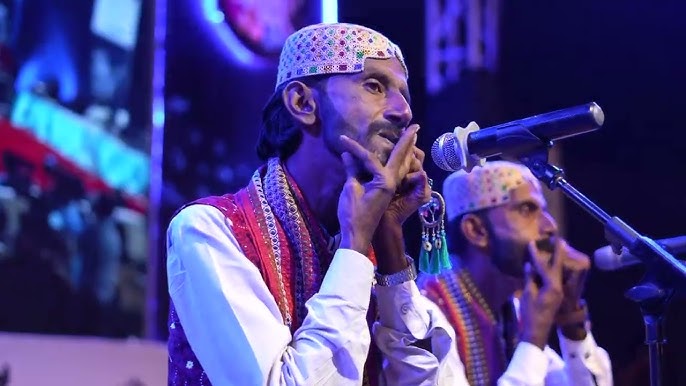
Sindh: The Desert's Mystic Breath
Sindh is a land where music flows alongside the Indus River and drifts across endless desert landscapes. For centuries, its melodies have reflected the spiritual depth, resilience, and cultural richness of its people. From the sacred grounds of Bhit Shah to the ancient banks of the Indus, music has remained an essential part of daily life, serving as both prayer and expression.The musical traditions of Sindh are deeply connected to its history, where saints, poets, and wandering musicians transformed ordinary sounds into timeless symbols of identity and belonging.
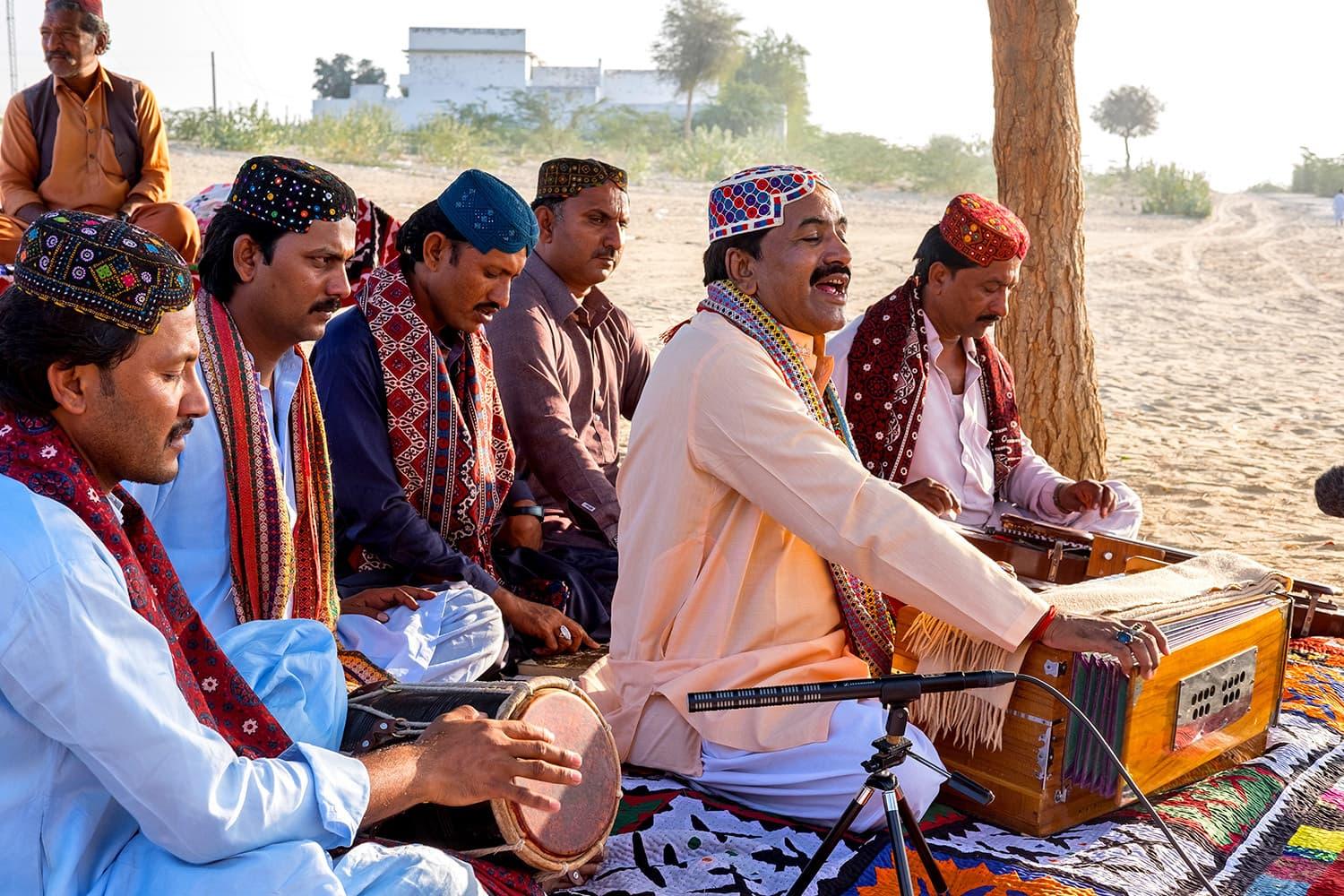
The Folk Spirit of Sindh
The folk traditions of Sindh celebrate both joy and longing. The energetic Ho Jamalo symbolizes victory, communal pride, and celebration, bringing communities together through rhythm and movement. In contrast, the Waai expresses longing and emotional reflection, carrying stories of separation, devotion, and hope.These musical forms have preserved Sindhi culture for generations, allowing people to share their experiences through song and poetry.
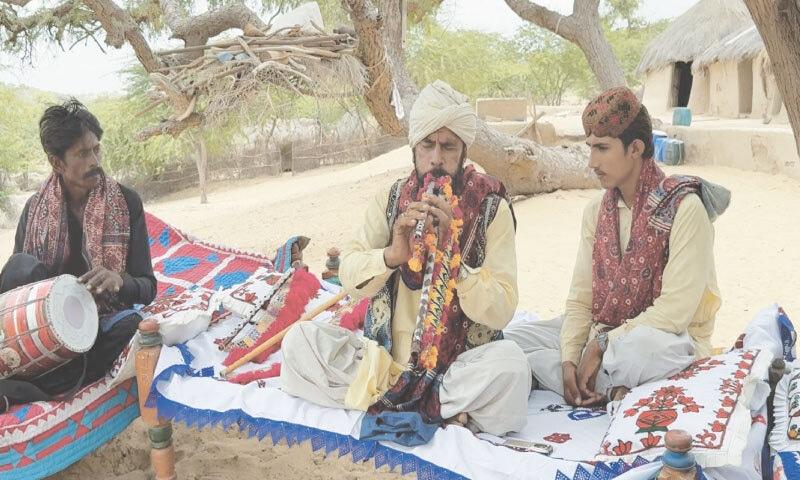
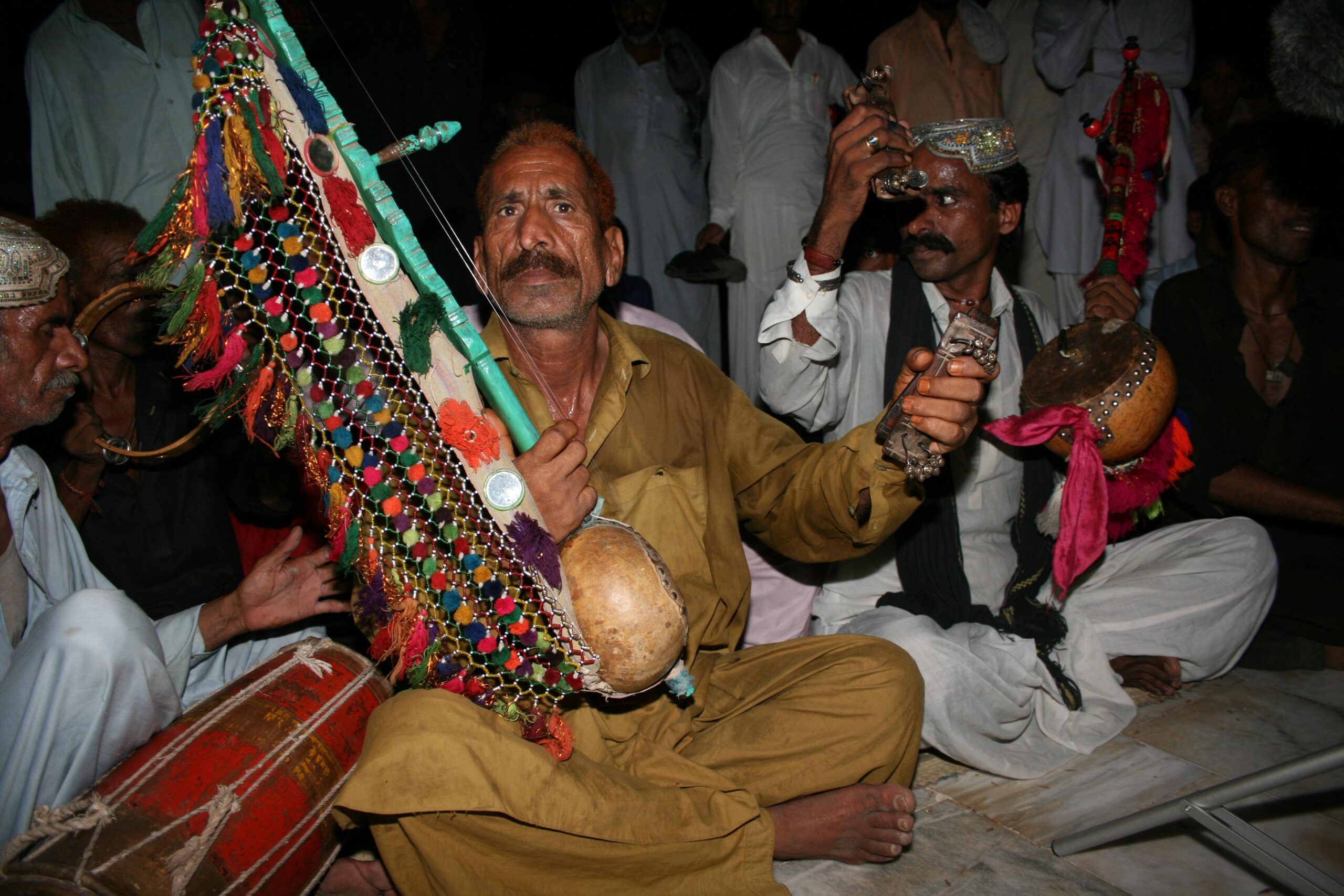
Shah Abdul Latif Bhittai and Spiritual Music
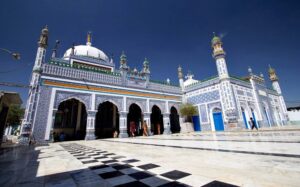
No discussion of Sindhi music is complete without mentioning Shah Abdul Latif Bhittai, one of the region's most revered Sufi poets. His collection, Shah Jo Risalo, continues to inspire musicians and spiritual gatherings across Sindh. Through his poetry, music became a bridge between earthly struggles and divine love.The shrine of Bhittai remains a living center of musical heritage where traditional performances continue to preserve centuries of spiritual and artistic expression.